Your car is one of the biggest investments you’ll make. Yet most breakdowns are preventable with consistent, simple upkeep. These ten maintenance habits will keep your vehicle running longer, cost less to repair, and perform better on every journey.
01. Check and Change Your Engine Oil
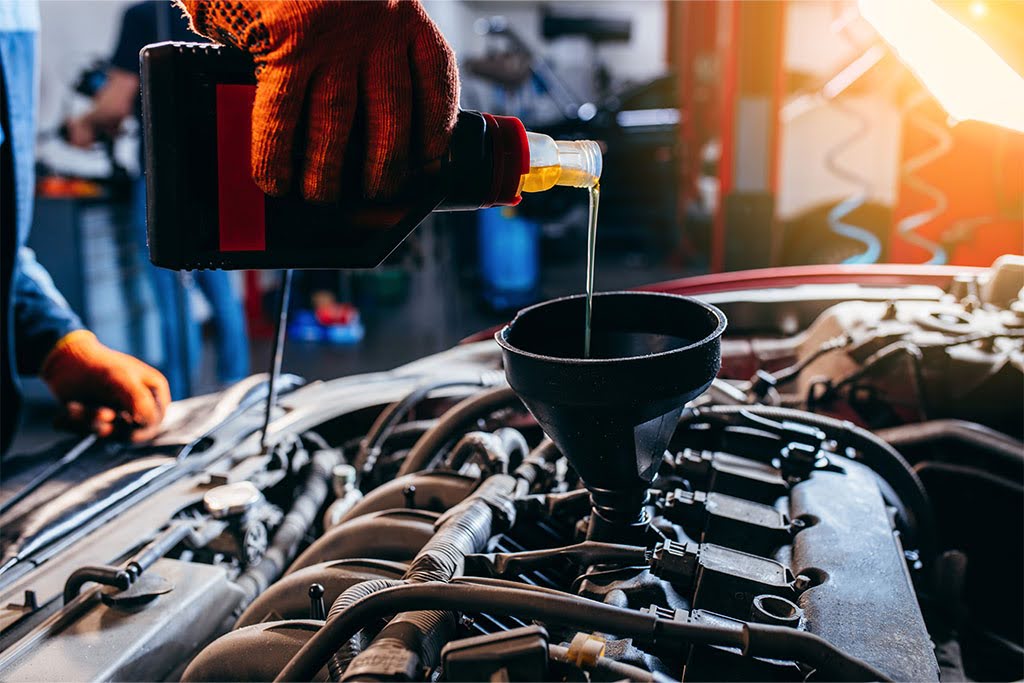
⏱ Every 5,000–10,000 km or per manufacturer
Engine oil lubricates hundreds of fast-moving metal parts, preventing wear and dissipating heat. As oil ages, it breaks down and accumulates combustion byproducts, becoming less effective — eventually causing irreversible engine damage.
To check your oil, park on level ground, wait for the engine to cool, then pull the dipstick, wipe it clean, reinsert, and read the level. It should sit between the minimum and maximum marks. The color tells a story too: golden amber is healthy, dark brown means it’s aging, and black or gritty oil needs immediate replacement.
Pro tip: Switch to full-synthetic oil if your car allows it — it handles temperature extremes better and lasts longer between changes.
02 Maintain Correct Tire Pressure
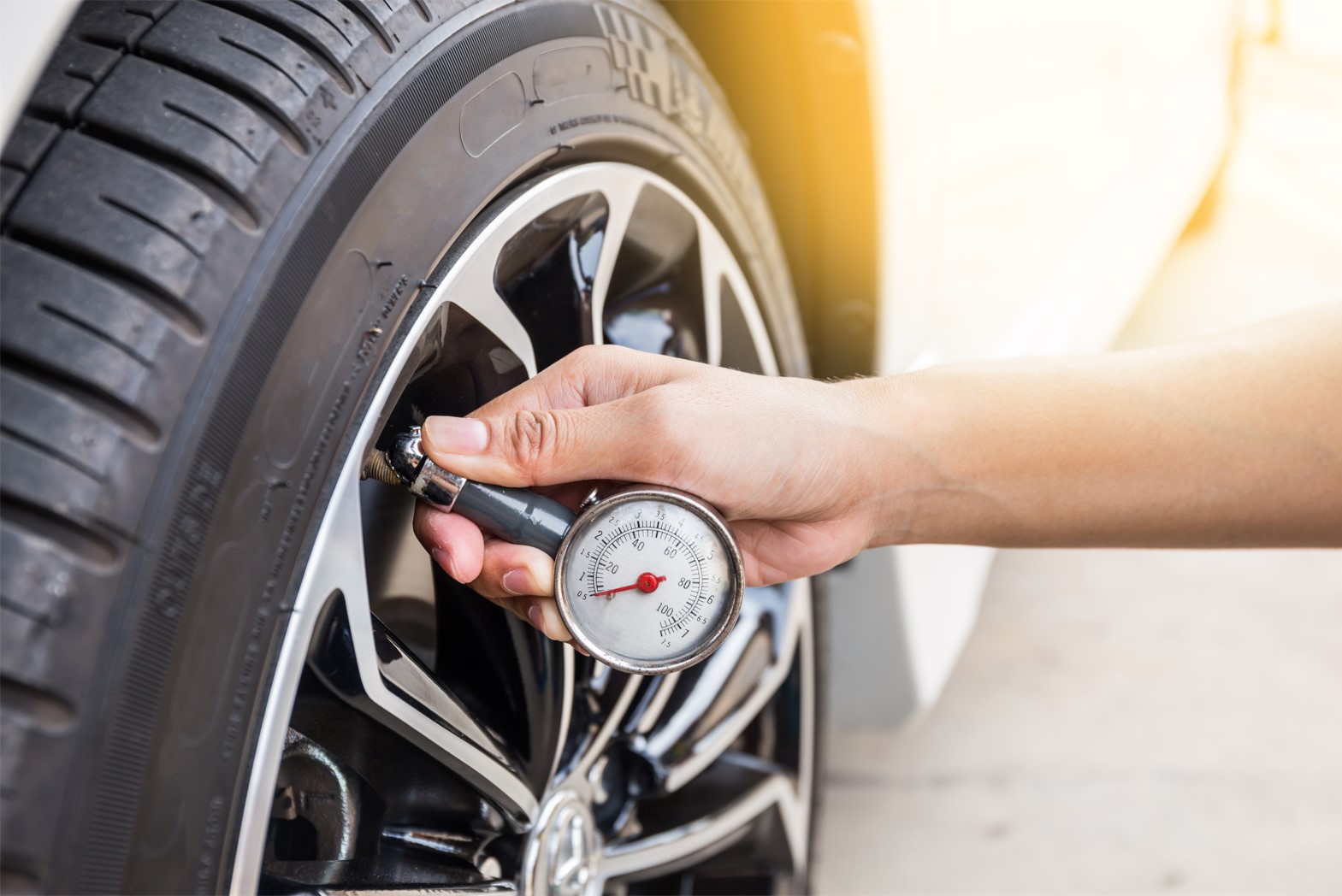
⏱ Monthly and before long trips
Properly inflated tires are critical for safe handling, braking, and fuel efficiency. Under-inflation causes uneven tread wear, reduces fuel economy, and increases the risk of a blowout. Over-inflation makes tires rigid and reduces road contact, shortening their lifespan.
The correct PSI for your vehicle is printed on a sticker inside the driver’s door jamb — not on the tire sidewall, which shows the tire’s maximum rating. Check pressure when tires are cold for an accurate reading, ideally with a quality digital gauge.
Pro tip: Don’t forget the spare. A flat spare discovered roadside is worse than no spare at all.
03 Replace the Engine Air Filter
⏱ Every 15,000–30,000 km
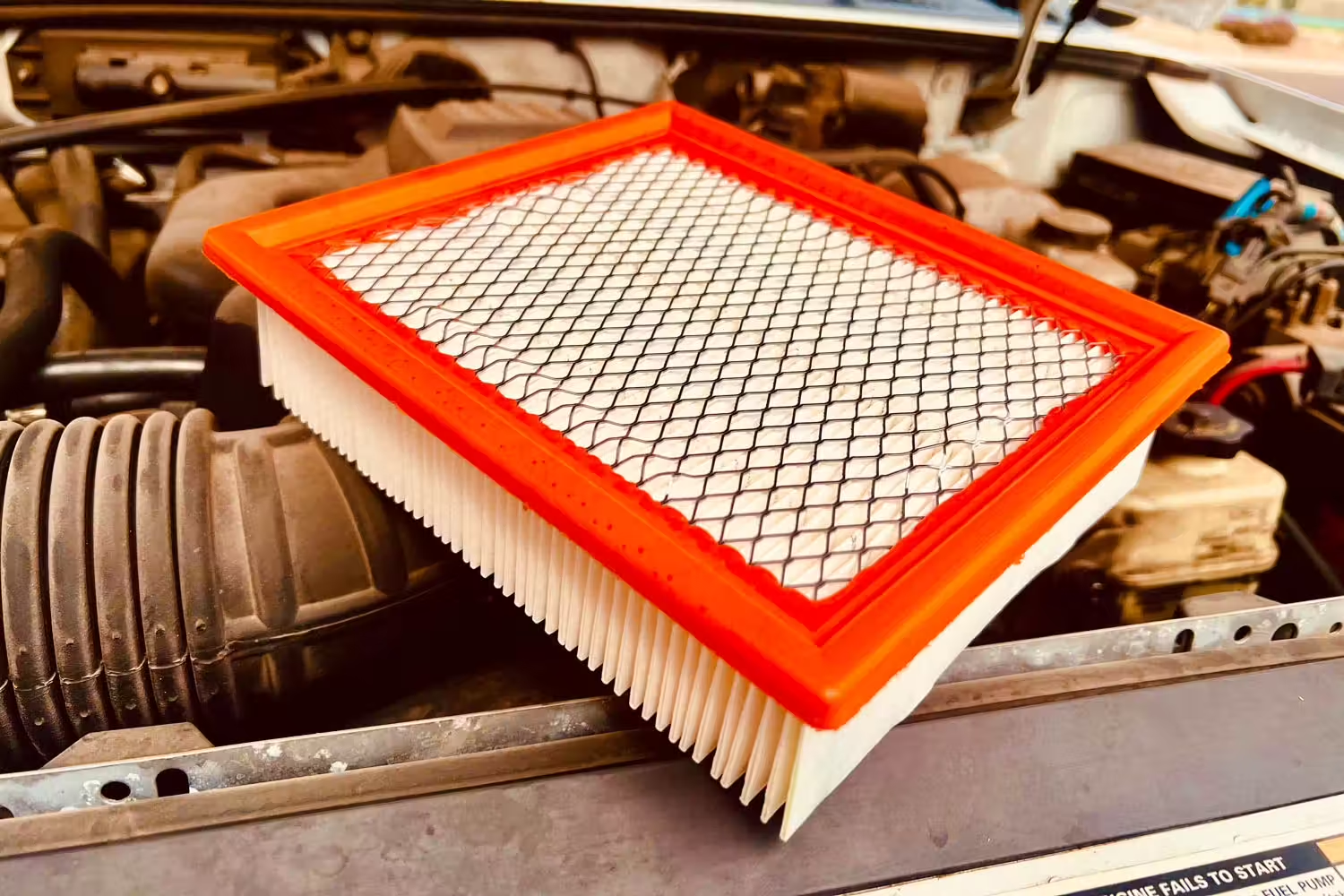
The air filter prevents dust, pollen, insects, and debris from entering the engine. A clogged filter restricts airflow, forcing the engine to work harder — leading to reduced power, poor acceleration, and higher fuel consumption.
This is one of the most straightforward DIY maintenance tasks. On most cars, the air filter housing is a black plastic box near the engine bay. Open it, pull out the filter, and hold it up to light. If you can’t see light through it, replace it. A new filter typically costs very little and takes under five minutes to swap.
Pro tip: If you drive on dusty roads or unpaved surfaces, inspect your air filter twice as often.
04 Inspect Your Brake System
⏱ Every 12 months or when symptoms appear
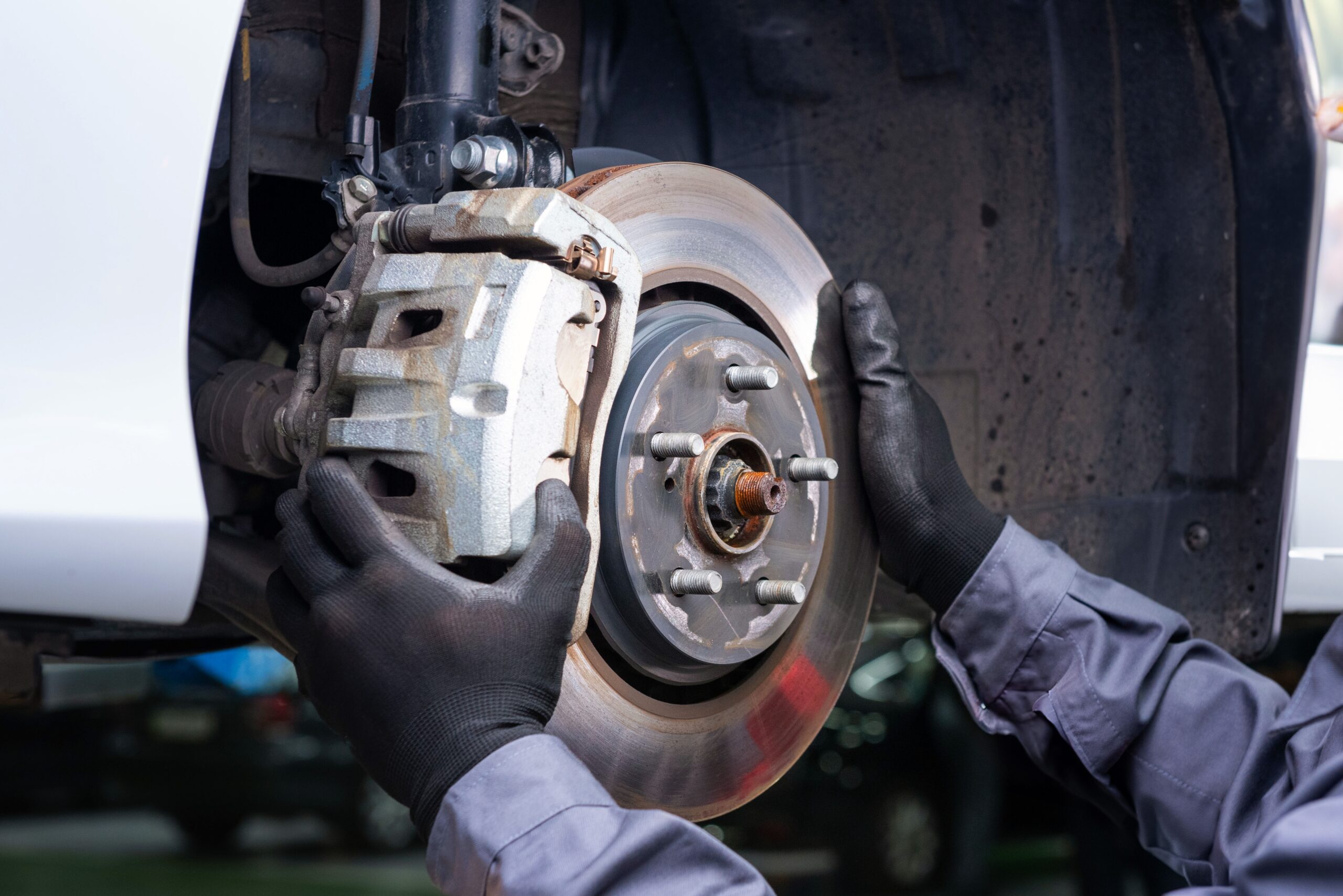
Brakes are your most critical safety system. Warning signs include a squealing sound (worn brake pads), a grinding noise (metal-on-metal contact — replace immediately), a pulsating brake pedal (warped rotors), or a car that pulls to one side when braking.
Also check your brake fluid level in the reservoir under the hood. Brake fluid is hygroscopic — it absorbs moisture over time — which lowers its boiling point and can cause brake fade. Cloudy or dark fluid should be flushed and replaced.
Pro tip: Never ignore brake sounds. What starts as a inexpensive pad replacement can become a costly rotor replacement within weeks.
05 Keep Coolant Levels in Check
⏱ Every 2 years / 50,000 km
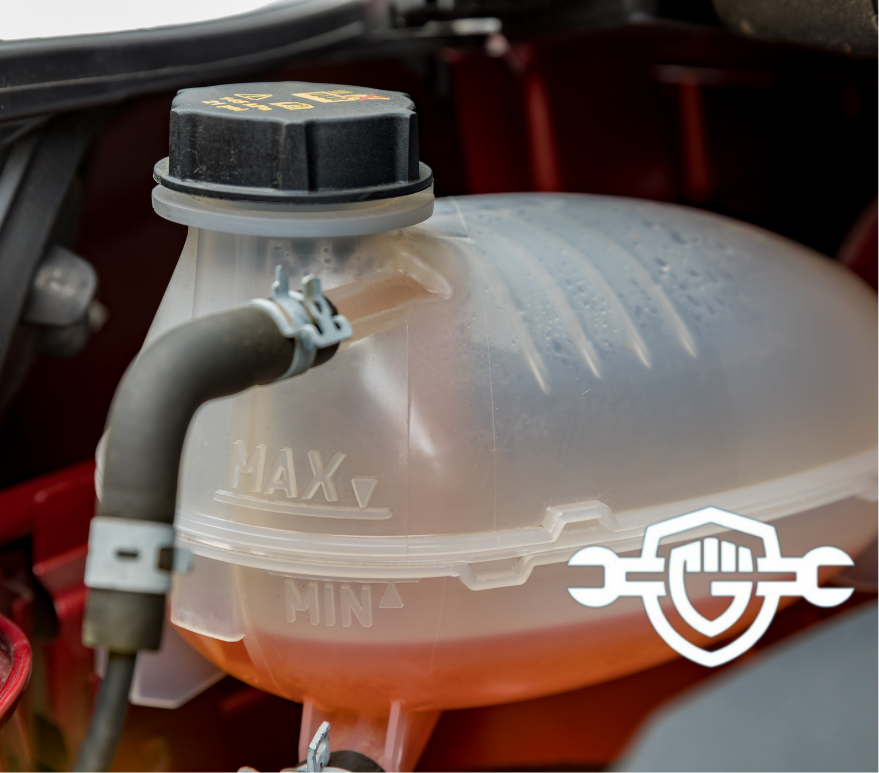
Coolant — also called antifreeze — regulates your engine temperature and prevents freezing in cold climates. Low coolant can cause your engine to overheat rapidly, which risks severe and expensive damage including blown head gaskets and warped cylinder heads.
Check the coolant reservoir (a translucent plastic tank) when the engine is cold. The level should be between the Min and Max lines. Coolant should be brightly colored (green, orange, or pink depending on type). Never open the radiator cap when the engine is hot — the pressurized system can cause severe scalding.
Pro tip: Mix coolant with distilled water (50/50), not tap water. Minerals in tap water can cause deposits inside cooling passages.
06 Test and Maintain Your Car Battery
⏱ Check annually; replace every 3–5 years
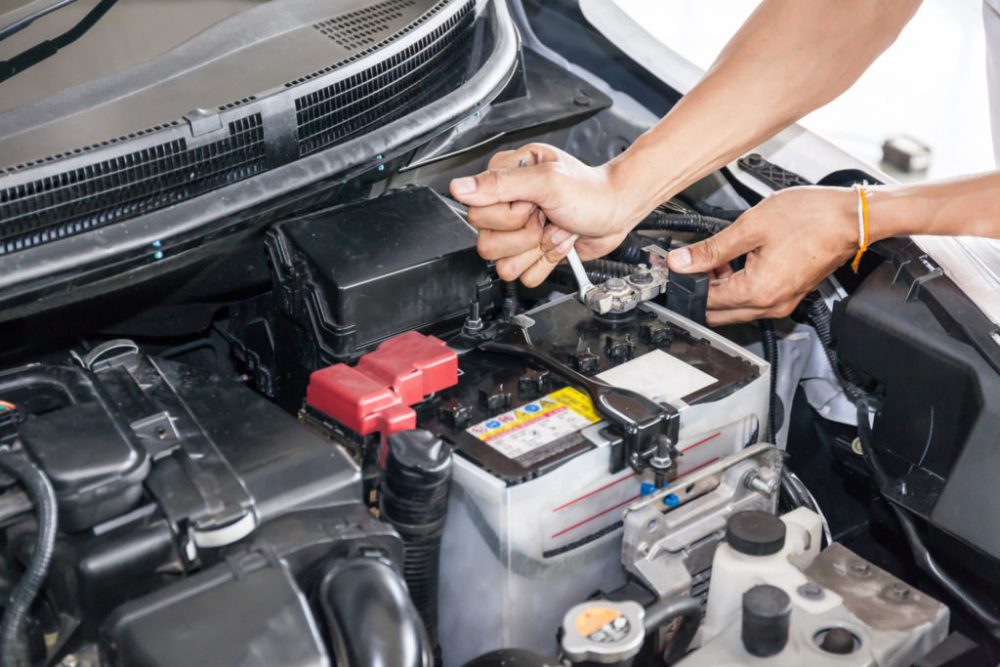
Most car batteries fail without much warning, especially in extreme temperatures. A slow engine crank, dim headlights, or frequent need to jump-start your car are telltale signs of a weakening battery.
Visually inspect the battery terminals for white or bluish corrosion buildup — a mix of baking soda and water on a toothbrush can clean terminals safely. Have the battery load-tested at any auto parts store (usually free) to determine its true remaining capacity before it leaves you stranded.
Pro tip: If your car sits unused for weeks, use a trickle charger to maintain battery health — a depleted battery degrades faster.
07 Replace Wiper Blades Regularly
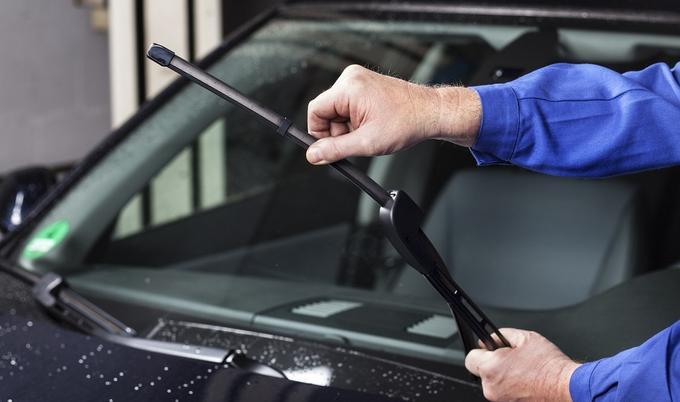
⏱ Every 6–12 months
Worn wiper blades leave streaks, smears, or skip across the windshield — severely reducing visibility in rain. UV exposure, heat, and general use cause the rubber to crack and harden far faster than most drivers expect.
Test your wipers by running them over a wet windshield. If they chatter, streak, or leave dry patches, they need replacing. Modern beam-style wiper blades conform better to curved windshields and last longer than traditional framed blades. Don’t forget the rear wiper on hatchbacks and SUVs — it’s often overlooked.
Pro tip: Top up windshield washer fluid regularly. Never use plain water — it won’t clean effectively and can freeze in cold weather.
08 Check Your Transmission Fluid
⏱ Every 30,000–60,000 km
Transmission fluid lubricates and cools the intricate gears inside your gearbox. Low or degraded transmission fluid can cause rough or delayed gear shifts, slipping gears, overheating, and ultimately complete transmission failure — one of the most expensive repairs on any vehicle.
Many modern automatics are sealed units and need professional checking, but many older vehicles have a transmission dipstick. The fluid should be red or pink and have a slightly sweet smell. Dark brown or burnt-smelling fluid is overdue for a change. A rough or jerky gearshift is your car’s way of asking for attention.
Pro tip: Use only the transmission fluid grade specified in your owner’s manual — the wrong type can damage seals and degrade performance.
09 Inspect All Exterior Lights
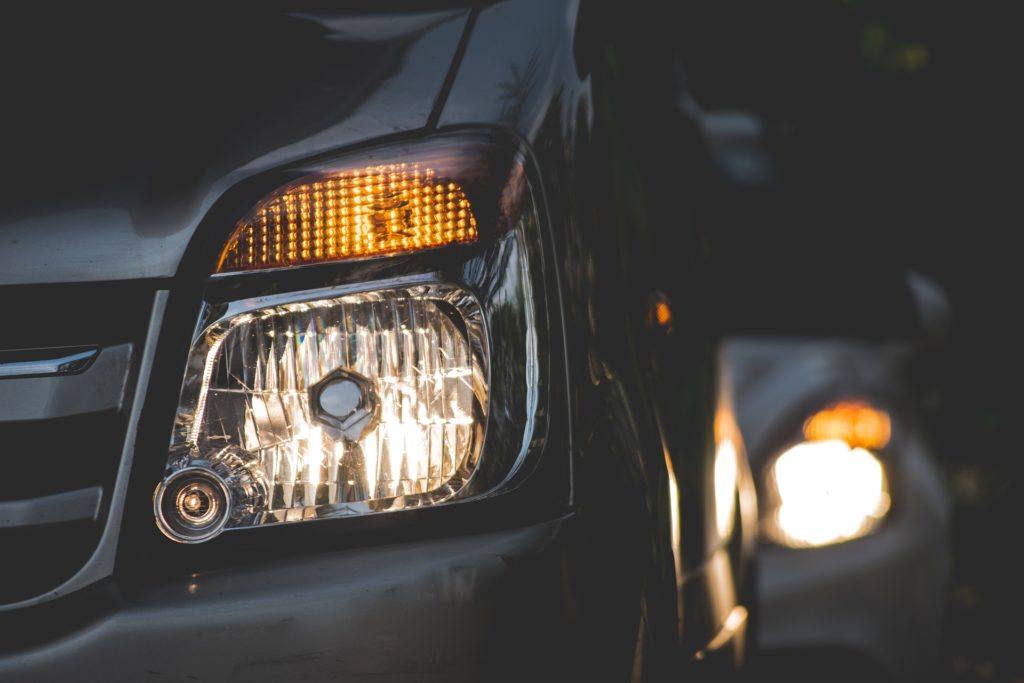
⏱ Monthly walk-around check
A burned-out headlight, tail light, or brake light is both a safety risk and a traffic offense in most countries. You may not notice a faulty brake light from the driver’s seat — other drivers behind you will.
Do a monthly walk-around: switch on your headlights, hazard lights, and have someone press the brakes while you check the rear. Check indicator lights, reverse lights, and fog lights. Replacing a bulb yourself is usually quick and inexpensive. Cloudy or yellowed headlight lenses also significantly reduce light output — a polishing kit can restore them for a fraction of the cost of new lenses.
Pro tip: Keep a small kit of spare bulbs in your boot for the most common fittings — you’ll be glad you have it on a night-time trip.
10 Follow Your Scheduled Service Intervals
⏱ As outlined in owner’s manual
Your manufacturer’s service schedule is engineered specifically for your car’s components, tolerances, and expected wear patterns. Skipping services doesn’t just risk breakdowns — in many cases it voids your warranty and can reduce your vehicle’s resale value significantly.
Typical scheduled services include spark plug replacement, timing belt or chain inspection, differential fluid, power steering fluid, and comprehensive safety checks. Keep all service records in a folder — documented maintenance history adds real monetary value when it’s time to sell.
Pro tip: Set a recurring calendar reminder for your next service date. It’s easy to lose track of mileage or time between services.
Small habits, big savings
Consistent car maintenance isn’t about being a mechanic — it’s about paying attention. Most of the checks on this list take less than ten minutes and cost next to nothing. Catching a problem early turns a hundred-pound repair into a ten-pound fix. Treat your car well, and it will reliably take you wherever you need to go.